
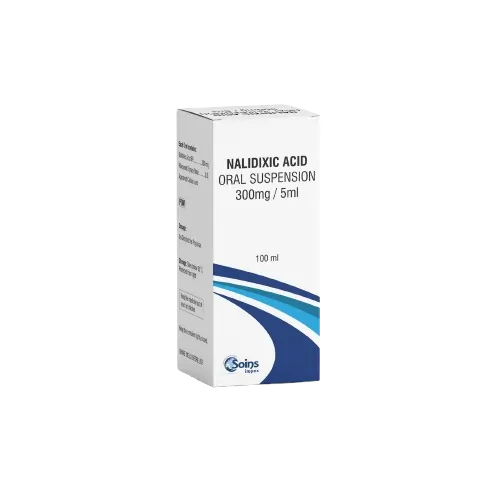
Nalidixic Acid Oral Suspension

Nalidixic Acid Oral Suspension

Generic Name:
Nalidixic Acid Oral Suspension
Therapeutic Category:
Antibacterial / First-Generation Quinolone
Mechanism of Action:
Bactericidal action. Nalidixic acid targets bacterial DNA gyrase (topoisomerase II) and topoisomerase IV enzymes. By inhibiting these crucial enzymes, it blocks DNA replication, transcription, and repair processes within susceptible Gram-negative bacteria, resulting in bacterial DNA degradation and rapid cell death.

Indications (Therapeutic Uses)

Nalidixic Acid Oral Suspension concentrates heavily in the urine following oral administration. It is indicated for the treatment of urinary tract infections caused by susceptible Gram-negative micro-organisms:

  • Uncomplicated Urinary Tract Infections (UTIs): Treatment of acute cystitis, urethritis, and uncomplicated bladder infections primarily caused by species of Escherichia coli, Proteus, Klebsiella, and Enterobacter.
  • Bacterial Dysentery (Shigellosis): Used in specific clinical settings, particularly in pediatric medicine under strict clinical guidelines, for treating severe intestinal infections caused by susceptible Shigella species when alternative first-line options are unavailable.

Dosage & Administration

Website Note: The dosage framework and duration of therapy must be determined by a registered medical practitioner based on the patient’s age, body weight, and clinical diagnosis. The therapeutic course must be completed in its entirety to prevent antibiotic resistance.

  • Standard Adult Dose: Typically 1,000 mg (approx. 16.6 mL) administered orally four times daily for 1 to 2 weeks. For prolonged maintenance therapy, the dose may be reduced to 500 mg (approx. 8.3 mL) four times daily by the supervising clinician.
  • Standard Pediatric Dose (Children over 3 months of age): Calculated based on body weight. The usual starting dose is 55 mg/kg per day, divided into four equally spaced doses. If used for prolonged therapy, the dose may be reduced to 33 mg/kg per day.
  • Administration Method: Shake the bottle thoroughly before each use to ensure the active drug crystals are evenly dispersed throughout the liquid suspension. Measure the exact volume using a calibrated oral dosing syringe or medicine cup.
  • Timing: Take on an empty stomach, ideally one hour before or two hours after a meal, to maximize absorption.

Contraindications & Precautions

  • Absolute Contraindications: Do not use in individuals with a verified history of hypersensitivity to nalidixic acid, other quinolone or fluoroquinolone antibiotics (e.g., ciprofloxacin, norfloxacin), or any inactive ingredients in the suspension. Completely contraindicated in infants under 3 months of age, patients with a history of convulsive disorders (epilepsy), or those suffering from severe hepatic or renal impairment.
  • Central Nervous System (CNS) Effects: Nalidixic acid can lower the seizure threshold. It must be used with caution in patients with known central nervous system defects, cerebrovascular insufficiency, or severe cerebral arteriosclerosis. Convulsions, increased intracranial pressure (pseudotumor cerebri), and toxic psychosis have been reported.
  • Hemolytic Anemia (G6PD Deficiency): Severe hemolytic anemia (destruction of red blood cells) can be precipitated in individuals with a genetic deficiency of the enzyme Glucose-6-Phosphate Dehydrogenase (G6PD). Discontinue the drug immediately if anemia or hemolysis is suspected.
  • Photosensitivity (Sunlight Sensitivity): Patients may develop severe sunburn-like skin reactions when exposed to direct sunlight or ultraviolet (UV) radiation while taking this medication. Advise patients to avoid tanning beds, wear protective clothing, and apply high-factor sunscreen during therapy. Discontinue if photosensitivity occurs.
  • Tendon Disorders: While more commonly associated with newer fluoroquinolones, quinolone derivatives carry warnings regarding peripheral neuropathy and tendon inflammation or rupture.

Potential Side Effects

  • Common / Mild: Nausea, vomiting, abdominal pain, diarrhea, headache, drowsiness, dizziness, visual disturbances (reversible blurred vision, color perception changes), and localized skin rash.
  • Less Common / Severe: Increased intracranial pressure (bulging fontanelles in infants, severe headache, papilledema), generalized seizures, hemolytic anemia, severe photosensitivity dermatitis, cholestatic jaundice, and anaphylactic allergic reactions.