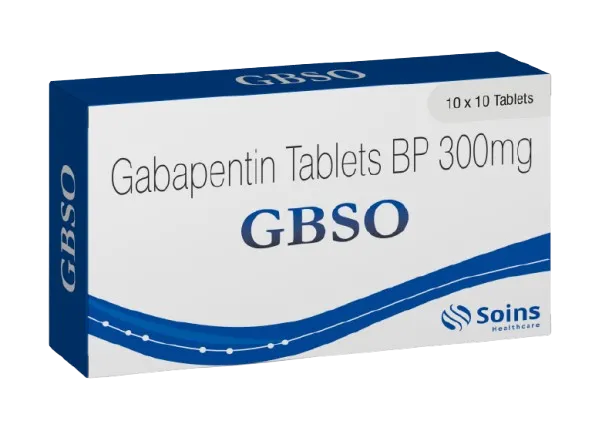
Gabapentin Tablets

Generic Name:
Gabapentin Tablets
Therapeutic Category:
Anticonvulsant / Neuropathic Pain Agent (Gabaergic)
Mechanism of Action:
Structurally resembles the neurotransmitter gamma-aminobutyric acid (GABA) but does not bind to GABA receptors. Instead, it selectively binds to the α2​δ (alpha-2-delta) subunit of voltage-gated calcium channels in the central nervous system, reducing calcium influx and inhibiting the release of excitatory neurotransmitters that signal pain and seizures.

Indications (Therapeutic Uses)

Gabapentin 300 mg is indicated for the management of neurological and specific pain disorders:

  • Neuropathic Pain: Relief of chronic pain caused by nerve damage, most commonly postherpetic neuralgia (persistent nerve pain following a shingles outbreak) and painful diabetic neuropathy.
  • Partial Seizures: Used as adjunctive (add-on) therapy in the treatment of partial-onset seizures, with or without secondary generalization, in adults and pediatric patients with epilepsy.
  • Restless Legs Syndrome (RLS): Management of moderate-to-severe primary restless legs syndrome to reduce the urge to move the limbs.

Dosage & Administration

Website Note: Dosage must be individualized, titrated carefully, and monitored by a registered medical practitioner based on the patient’s specific indication, therapeutic response, and kidney function.

  • Standard Dose Titration:
    • Day 1: 300 mg taken orally once daily (usually at bedtime to minimize drowsiness).
    • Day 2: 300 mg taken twice daily (morning and bedtime).
    • Day 3: 300 mg taken three times daily.
  • Maintenance Dose: The dose may be further titrated up by the clinician, typically ranging from 900 mg to 1,800 mg total per day, divided into three daily doses. The time interval between doses in a three-times-daily schedule should not exceed 12 hours.
  • Administration: Tablets must be swallowed whole with water, with or without food.
  • Renal Function Adjustment: Because gabapentin is eliminated exclusively by renal excretion, dosage reductions are mandatory for patients with compromised kidney function (creatinine clearance less than 60 mL/min).

Contraindications & Precautions

  • Absolute Contraindications: Do not use in patients with a known history of severe hypersensitivity to gabapentin or any inactive ingredients contained within the tablet.
  • Abrupt Withdrawal Warning: Do not discontinue gabapentin abruptly. Suddenly stopping anticonvulsant medications can precipitate status epilepticus (prolonged, continuous seizures) or severe rebound anxiety and nerve pain. The dose must be tapered down gradually over a minimum of one week under medical direction.
  • Suicidal Behavior and Ideation: Antiepileptic drugs, including gabapentin, increase the risk of suicidal thoughts or behavior. Patients should be closely monitored for emerging or worsening depression, anxiety, or unusual changes in mood.
  • Central Nervous System (CNS) Depression: May cause severe drowsiness, dizziness, and cognitive impairment. Patients must exercise extreme caution when operating heavy machinery or driving. The risk of respiratory depression is significantly heightened when combined with opioids or other CNS depressants.
  • Antacid Interaction: Co-administration with aluminum or magnesium-containing antacids reduces the bioavailability of gabapentin by approximately 20%. Gabapentin should be taken at least 2 hours after taking an antacid.

Potential Side Effects

  • Common / Mild: Somnolence (excessive drowsiness), dizziness, ataxia (unsteady gait or lack of coordination), fatigue, peripheral edema (fluid swelling in lower limbs), nystagmus (involuntary eye movement), and dry mouth.
  • Less Common / Severe: Respiratory depression (breathing difficulties), severe suicidal ideation, drug reaction with eosinophilia and systemic symptoms (DRESS syndrome), acute hypersensitivity/anaphylaxis, and severe neuropsychiatric adverse changes (particularly in pediatric patients, such as hostility or emotional lability).