Fluconazole Capsules

Generic Name:
Fluconazole Capsules
Therapeutic Category:
Systemic Antifungal (Triazole derivative)
Mechanism of Action:
Highly selective inhibitor of fungal cytochrome P450 sterol 14-alpha-demethylase. This enzyme inhibition prevents the conversion of lanosterol to ergosterol, an essential component of the fungal cell membrane, leading to increased membrane permeability, cell leakage, and cessation of fungal growth.

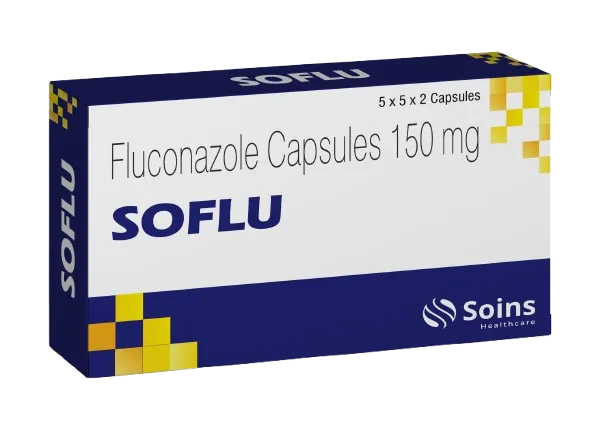
Indications (Therapeutic Uses)

Fluconazole 150 mg is primarily utilized as a highly effective, single-dose or short-course oral treatment for various fungal and yeast infections:

  • Acute Vaginal Candidiasis (Vaginal Thrush): Treatment of localized vaginal yeast infections caused by Candida species.
  • Candidal Balanitis: Treatment of soreness, redness, and inflammation of the penis tip caused by a yeast infection (often contracted from a partner with vaginal thrush).
  • Dermatophytosis (Tinea Infections): Management of stubborn superficial fungal infections including Tinea pedis (athlete’s foot), Tinea corporis (ringworm), Tinea cruris (jock itch), and Pityriasis versicolor.
  • Onychomycosis: Extended pulse therapy for fungal nail infections when topical treatments have failed.

Dosage & Administration

Website Note: Dosage and the duration of therapy must be determined by a registered medical practitioner based on the nature, location, and severity of the fungal infection.

  • Vaginal Candidiasis & Candidal Balanitis: The standard dose is one single oral dose of 150 mg. Most patients experience substantial symptom relief within 24 to 48 hours.
  • Skin Infections (Ringworm/Jock Itch/Athlete’s Foot): Typically 150 mg taken orally once weekly for a duration of 2 to 4 weeks (up to 6 weeks for athlete’s foot).
  • Fungal Nail Infections (Onychomycosis): 150 mg taken orally once weekly. Treatment is continued until the infected nail is completely replaced by healthy new growth (typically 3 to 6 months for fingernails and 6 to 12 months for toenails).
  • Administration: Capsules must be swallowed whole with a glass of water. They can be taken with or without food.

Contraindications & Precautions

  • Absolute Contraindications: Do not use in patients with a known history of hypersensitivity to fluconazole, other azole antifungal agents (e.g., ketoconazole, itraconazole), or any inactive component of the capsule.
  • Critical Drug Interactions (QT Prolongation): Co-administration of fluconazole is strictly contraindicated with drugs known to prolong the QT interval and metabolized via the CYP3A4 pathway (such as cisapride, astemizole, pimozide, quinidine, and erythromycin) due to the risk of severe cardiac arrhythmias.
  • Hepatotoxicity Risk: Fluconazole has been associated with rare cases of serious hepatic toxicity, including fatalities. Use with caution in patients with pre-existing liver disease. If signs of liver injury develop (jaundice, dark urine, severe nausea), stop the medication immediately.
  • Pregnancy Precaution: Avoid using the 150 mg dose during pregnancy unless explicitly deemed essential by a physician. While a single dose for vaginal thrush carries low risk, chronic or high doses during the first trimester are associated with congenital abnormalities.
  • Renal Impairment Dosing: Since fluconazole is primarily cleared unchanged through the urine, the dose must be reduced in patients with significant renal dysfunction (creatinine clearance less than 50 mL/min).

Potential Side Effects

  • Common / Mild: Headache, nausea, abdominal pain, diarrhea, flatulence, dyspepsia (heartburn), and a mild skin rash.
  • Less Common / Severe: Severe drug-induced hepatotoxicity (toxic hepatitis, hepatic necrosis), angioedema, anaphylaxis, severe cutaneous adverse reactions (such as Stevens-Johnson syndrome), hypokalemia, and QT interval prolongation triggering cardiac arrhythmias.